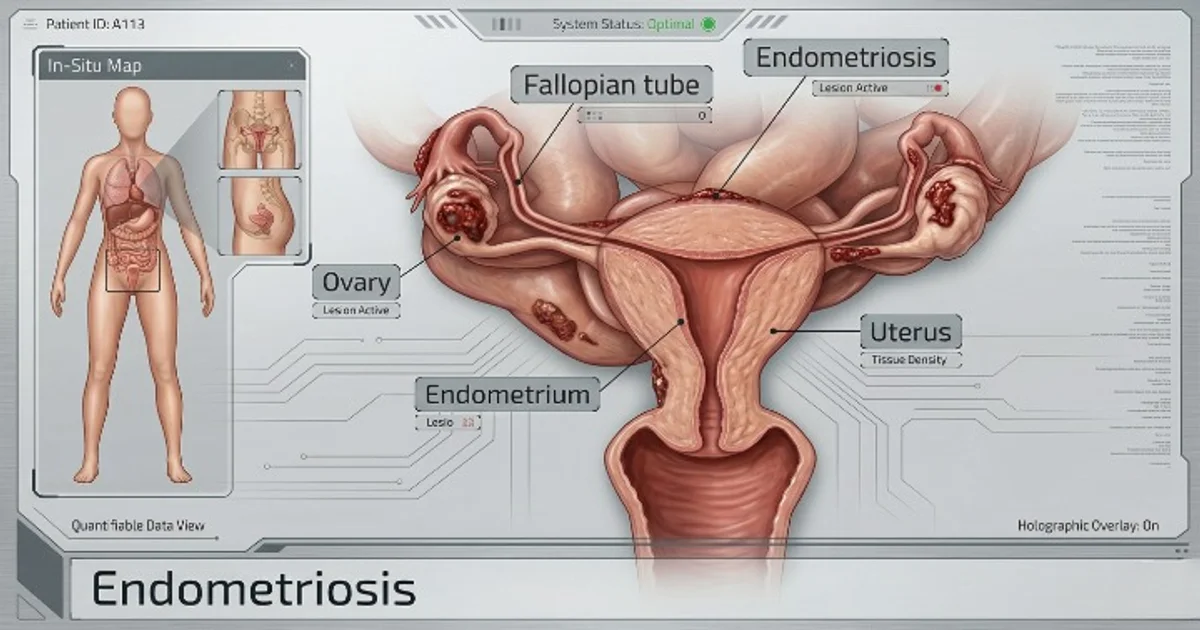
Every month, many women in Lahore live with pelvic pain severe enough to make them miss classes or take time off work. That pain is real, it is exhausting, and it deserves to be taken seriously — it is not simply something to “put up with.” If your periods are this difficult, the most important first step is a proper diagnosis from a doctor. Alongside that medical care, many women also turn to gentle, traditional therapies like Hijama (cupping) to feel more comfortable and relaxed.
Why severe period pain deserves proper attention in Lahore
Endometriosis is a condition in which tissue similar to the lining of the uterus grows outside the uterus. During each period this tissue can cause inflammation, swelling and pain in the pelvic area, and over time it may lead to scar tissue and affect fertility. Because of this, endometriosis is a medical condition that should be diagnosed and managed by a qualified gynaecologist — not ignored, and not self-treated.
Getting the right medical assessment early can make a real difference to your day-to-day comfort and your long-term reproductive health. If you are searching for help with severe period pain in Lahore, start with a doctor who can confirm what is causing it. Complementary therapies, including Hijama, can then sit alongside that care to support how you feel — they are not a replacement for it.
Conventional pain relief and Hijama: how they differ
Medical treatments and traditional therapies serve different purposes, and many women use them together. The table below is a simple comparison of how each is typically used — not a claim that one replaces the other.
| Feature | Doctor-prescribed pain relief | Hijama (cupping) therapy |
|---|---|---|
| Main purpose | Reduces pain signals and manages symptoms medically | A relaxing, traditional therapy some find comforting |
| How it is used | As advised by your doctor, often during flare-ups | As scheduled sessions, alongside medical care |
| What to expect | Targeted relief; follow medical guidance on use | Mild temporary marking; sterile, single-use equipment |
| Best approach | Used together, under your doctor’s guidance — not as alternatives | |
How Hijama may support comfort during difficult periods
In a Hijama session, trained therapists apply cups to areas such as the lower back and lower abdomen using gentle suction. The technique encourages local blood flow to the area and many people describe the experience as warming and relaxing. For some women, that sense of relaxation and eased muscle tension is what makes the therapy feel worthwhile during a difficult cycle.
It is honest to say that the scientific evidence on cupping for menstrual pain is still limited, and results vary from person to person. What we can offer with confidence is a careful, comfortable, hygienic experience — and the reassurance that this is meant to complement your medical care, not stand in for it.
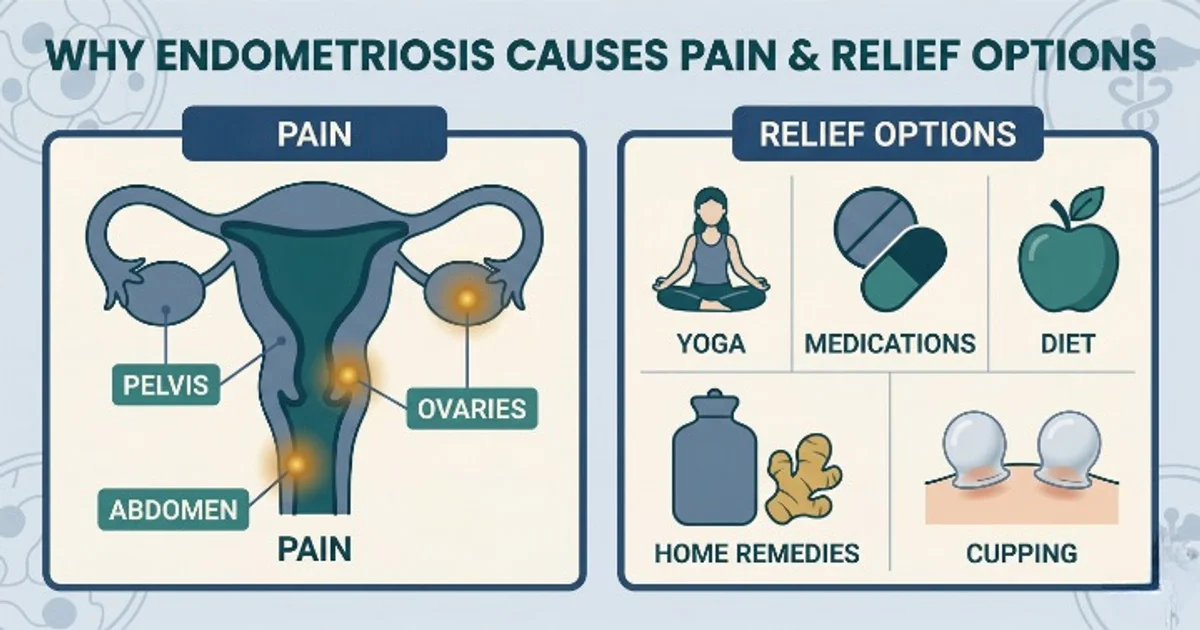
Can cupping therapy help with period cramps?
Some women do report that cupping helps them feel more relaxed and that their cramps feel easier afterwards. The most likely reason is improved local circulation and the soothing effect of the therapy on tense muscles around the lower abdomen. That said, every body responds differently, and cupping is not a guaranteed treatment for cramps — if your cramps are severe or worsening, that is a reason to see a doctor, not to delay one.
Mahwari ke dard ka Hijama se ilaj — the traditional view
Hijama has deep roots in Prophetic and traditional healing, and for many families in Pakistan it is a trusted, time-honoured practice. Targeting points on the lower back and abdomen, it is valued as a natural way to feel cared for and at ease. We honour that tradition while being clear about what it is: a complementary therapy chosen for comfort and wellbeing, carried out with modern hygiene and care.
Safe, private care for women at Al Madina Hijama Center
Treating sensitive women’s health matters calls for privacy, hygiene and trust. At Al Madina Hijama Center, sessions for women are carried out by qualified female therapists who understand these concerns with compassion. We use sterile, single-use disposable equipment and private treatment rooms so that every visit feels safe, dignified and comfortable.
If you have been looking for a trusted hijama center for ladies in Lahore, our priority is to give you professional, respectful care in a supportive environment — and to encourage you to keep your own doctor involved in your treatment.
Conclusion: you deserve comfort and proper care
You should never have to silently accept severe period pain as “just how it is.” The most important step is a proper medical diagnosis, so any underlying condition like endometriosis can be managed correctly. From there, a gentle complementary therapy like Hijama may help you feel more relaxed and comfortable along the way.
If you would like to try Hijama as part of your wellbeing routine, our female experts in Lahore are here to look after you with care, privacy and professionalism — alongside, never instead of, your medical treatment.